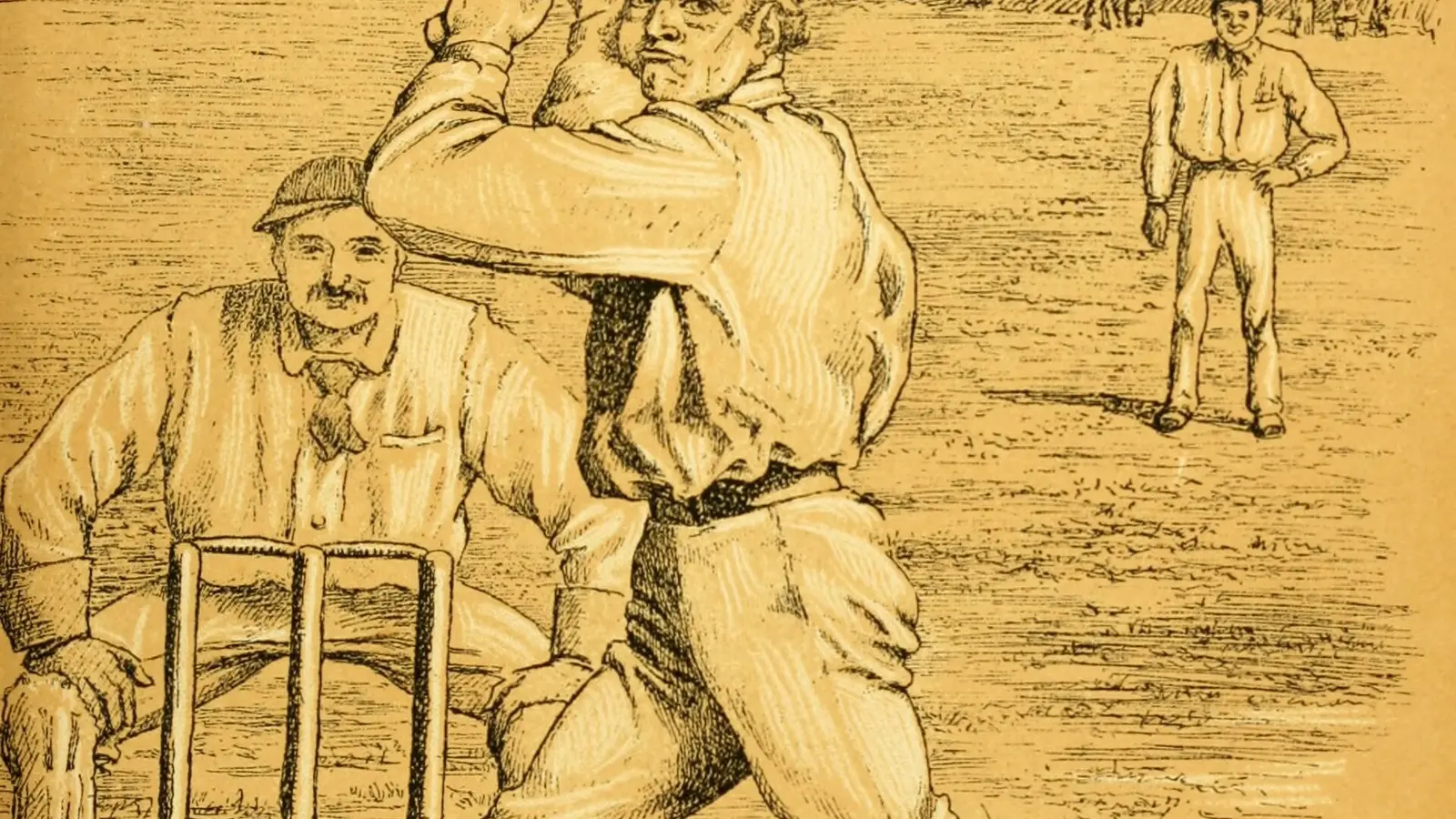
On the field
Pixter keeps cricket pages focused on structure: what actually changes outcomes (form, matchups, schedule, tactics), not recycled hype.
What usually shifts outcomes
Spin matchups, death-over plans, fielding placements, and when captains declare in Tests still swing long sessions.
Watching live
Watch field sets, bowling changes at the death, review calls, and how batters rotate strike against spin in the middle overs.
Season rhythm
Wagon wheels and ball-by-ball data show plans faster than summaries. Pixter readers chart boundary percentage by phase before calling a collapse.
Replay on dismissals confirms nick versus plain miss. Stack ten edges before you label a batter lost against seam.
Before you watch
Read pitch report and dew model. Pull strike rate and dot-ball pressure in middle overs. Write one takeaway after the final whistle so the next preview starts with evidence, not memory. Schedule density still beats star names when legs go; note minutes and travel before you react.
- Powerplay: boundary balls versus wickets.
- Spin: turn and drift from release replay.
- Death: yorker hit rate and wide slower usage.
Common misreads
Strike rate without context ignores wickets in hand. Economy without wickets invites late hits. Read phase plans. Keep this checklist handy when travel weekends stack, so you judge process before the highlight reel. If the broadcast skips context, rewind ten minutes and match what you see to the rhythm notes above. Spot a stale detail after a trade, injury, or schedule shift? Use the contact link and we will refresh the page.
Bottom line
Use this guide when you preview a match or catch up at stumps. Spot something stale? Tell us and we will fix it.