On the field
Pixter keeps basketball pages focused on structure: what actually changes outcomes (form, matchups, schedule, tactics), not recycled hype.
What usually shifts outcomes
Injury reports, rest rotations, matchup size, rim protection, and how teams defend after long road trips. Pace and foul rate matter as much as star names on paper.
Watching live
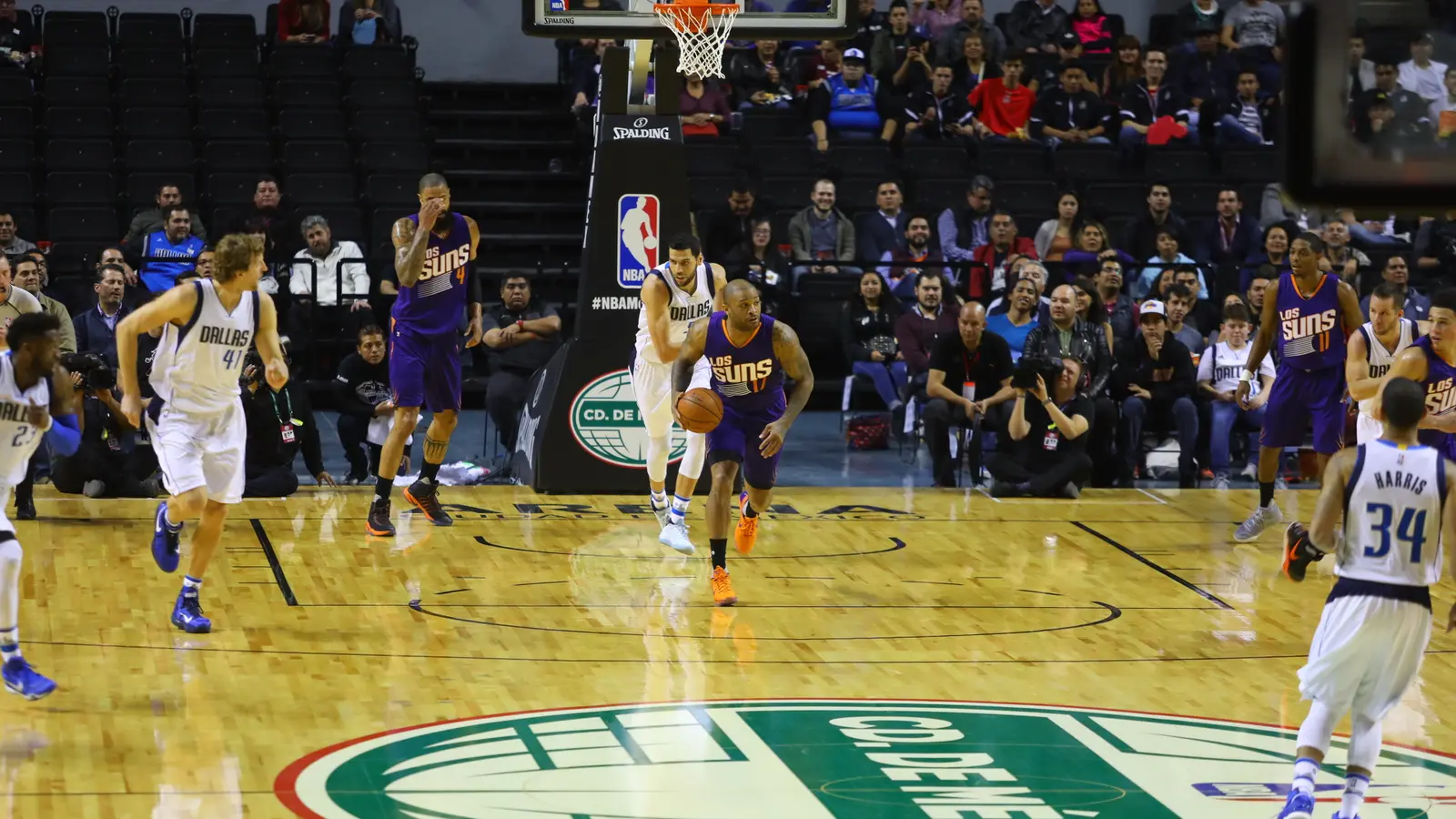
Watch timeout usage, clutch shooting trends, when coaches shorten the bench, and how intentional fouls change the last two minutes.
Season rhythm
On tape, fatigue shows up as late closeouts and lazy box-outs before it shows up in the score. Pixter readers track minutes curves the same way analysts track lap times: context first, headline second.
Trade deadlines and playoff pushes change rotation length. A bench that was deep in January may be six deep in April. Re-read each guide when the calendar flips.
Before you watch
Pull the last five games for pace and turnover rate, not just wins and losses. Note any matchup where size or speed flips the usual script.
- Shot profile: rim attempts versus mid-range versus threes.
- Turnovers: live-ball mistakes that become free points.
- Clutch usage: who touches the ball in the last two minutes.
Common misreads
Single-game highlights lie. A defensive scheme that worked once may get carved up on repetition. Look for what the opponent adjusted after halftime. Keep this checklist handy when travel weekends stack, so you judge process before the highlight reel. If the broadcast skips context, rewind ten minutes and match what you see to the rhythm notes above.
Bottom line
Use this guide when you preview a game or catch up at halftime. Spot something stale? Tell us and we will fix it.