On the field
Pixter keeps baseball pages focused on structure: what actually changes outcomes (form, matchups, schedule, tactics), not recycled hype.
What usually shifts outcomes
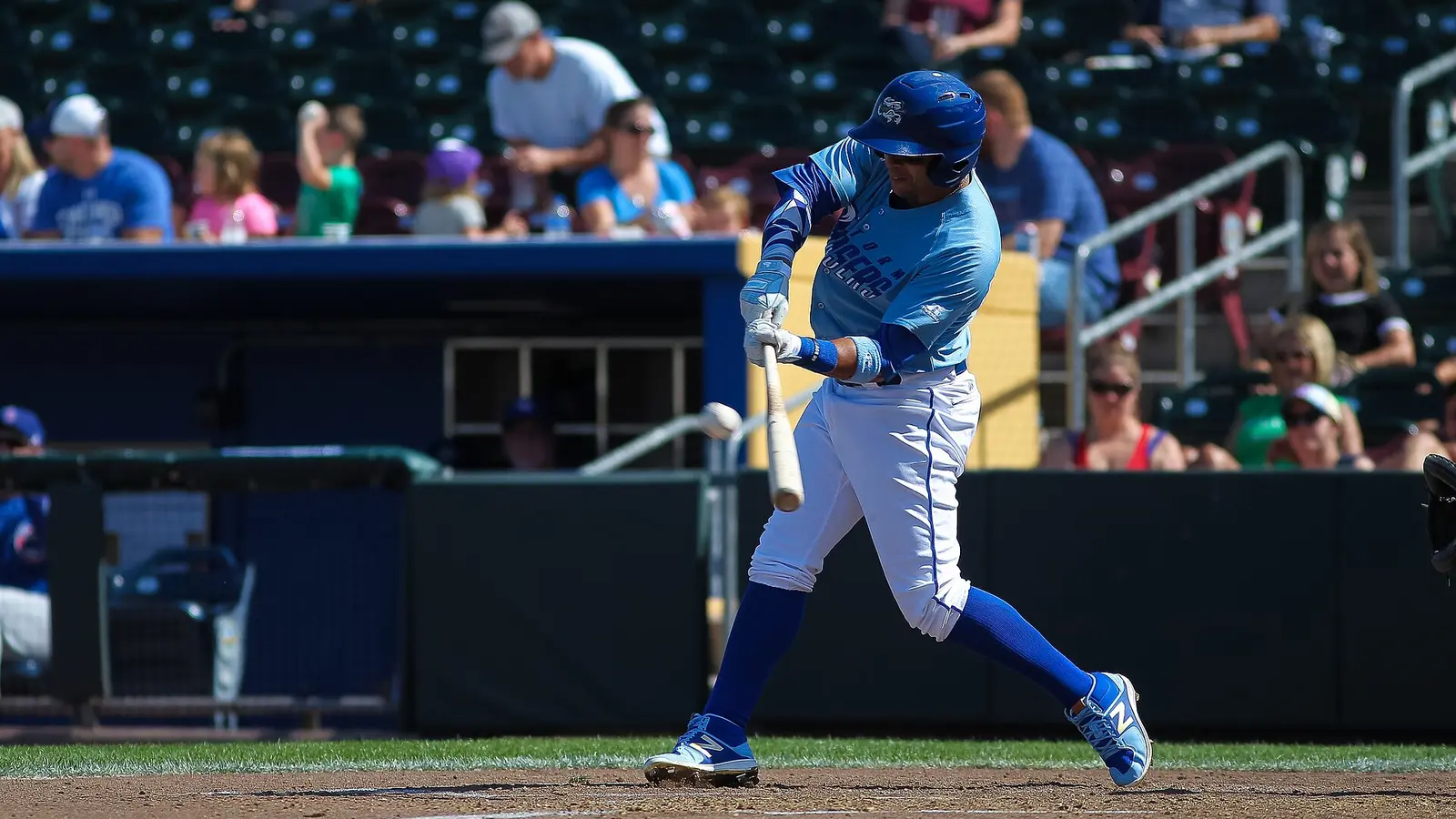
Platoon splits, defensive shifts, starter pitch counts, and when managers pull pitchers early change late-inning scoring.
Watching live
Track pitch counts, bullpen activity in the pen, defensive shifts, and when managers pinch hit against platoon splits.
Season rhythm
Statcast rolling windows beat hot streak narratives. Pixter readers watch barrel rate and whiff rate by pitch type across a month, not a weekend.
Replay confirms whether a homer was pulled fly ball skill or a hanger. Tag the pitch and count before you update your read on a starter.
Before you watch
Confirm platoon lineups and bullpen usage logs. Pull expected stats for the starter versus the order. Write one takeaway after the final whistle so the next preview starts with evidence, not memory. Schedule density still beats star names when legs go; note minutes and travel before you react.
- Pitch mix: four-seam usage and spin efficiency trends.
- Defense: shift alignment versus spray charts.
- Bullpen: high-leverage innings the last two days.
Common misreads
BABIP swings hide command changes. One no-hitter does not fix walk rate. Read process metrics, not narrative. Keep this checklist handy when travel weekends stack, so you judge process before the highlight reel. If the broadcast skips context, rewind ten minutes and match what you see to the rhythm notes above. Spot a stale detail after a trade, injury, or schedule shift? Use the contact link and we will refresh the page.
Bottom line
Use this guide when you preview a game or catch up after the sixth inning. Spot something stale? Tell us and we will fix it.